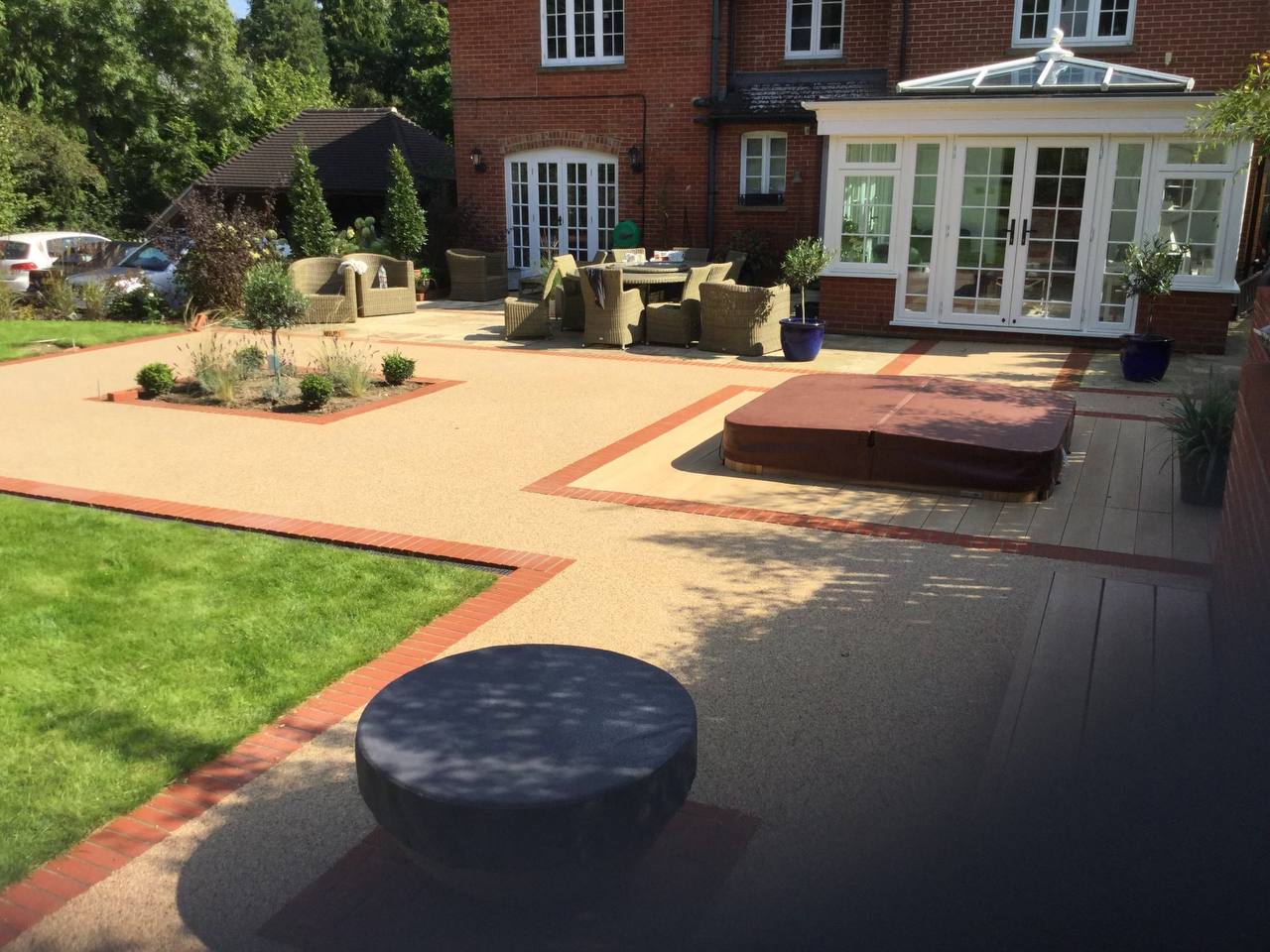
Block paving is designed to provide a practical and attractive surface for residential driveways, but like any external surface, its condition can change over time. Individual blocks may begin moving, joints can deteriorate, sections can settle and drainage patterns may alter. Some changes are largely cosmetic, while others can indicate that part of the driveway construction needs attention.
One of the advantages of block paving is that localised problems can often be investigated without automatically replacing the complete driveway. Individual sections can potentially be lifted and reinstated where appropriate, allowing the underlying cause of movement to be addressed while retaining sound surrounding paving.
For homeowners in Rotherham, South Yorkshire, recognising the early signs of deterioration can make it easier to determine whether a driveway needs routine maintenance, targeted repair or more extensive attention. The important point is to understand why the surface is changing rather than judging its condition purely by appearance.
How Can You Tell When Block Paving Needs Repair or Maintenance?
Changes in the appearance, level and stability of block paving can provide useful indications of its condition.
Signs worth investigating include:
- Individual blocks becoming loose
- Sections beginning to sink
- Uneven areas developing
- Blocks moving out of alignment
- Joints losing material
- Increasing weed growth between blocks
- Cracked or damaged paving units
- Edge blocks becoming unstable
- Water collecting in new areas
- Ruts or depressions appearing in vehicle routes
- Previous repairs beginning to move again
- Larger sections gradually becoming distorted
The significance of these signs depends on their extent and cause. One loose block may be a straightforward local issue, whereas widespread settlement can indicate that supporting layers need closer assessment.
Individual Blocks Have Started Moving
A properly constructed block paved driveway should feel stable during normal use.
If individual blocks begin rocking or moving underfoot, something within that particular section may no longer be providing consistent support.
The issue could be limited to the bedding immediately beneath the affected blocks, or movement may form part of a wider problem.
Loose paving should therefore be investigated rather than simply pushed back into position. Establishing why movement developed helps determine whether a localised repair will be sufficient.
Sunken Areas Are an Important Warning Sign
One of the clearest indications that block paving needs attention is a section that has dropped below the surrounding surface.
Settlement can create a shallow depression initially, making the problem appear relatively minor.
However, the surface blocks generally follow changes occurring within the supporting construction beneath them. If the underlying materials settle, the paving above can move with them.
Lifting the affected blocks allows the supporting area to be assessed and, where appropriate, reconstructed before the paving is reinstated.
Repeated Settlement Deserves Closer Investigation
A section that has already been lifted and relaid but subsequently sinks again can indicate that the original cause was not fully resolved.
Simply restoring the surface level does not necessarily correct instability deeper within the construction.
Where settlement repeatedly develops in the same place, the supporting materials and ground beneath deserve closer attention.
A durable repair should address the reason for the movement rather than continually correcting the visible depression.
Uneven Paving Can Affect Everyday Use
Minor differences between individual blocks can develop gradually and may initially seem like a cosmetic issue.
As unevenness becomes more pronounced, however, it can affect how comfortable the driveway is to walk across and how smoothly vehicles travel over the surface.
Changes in level can also influence how rainfall moves across the driveway.
Where several neighbouring blocks have become uneven, investigating the supporting layer beneath them can help establish whether localised movement has occurred.
Vehicle Routes Can Reveal Weak Areas
Cars do not use every part of a driveway equally.
Tyres tend to follow similar routes each time a vehicle enters, parks and leaves. Turning areas can also experience concentrated use.
If the supporting construction is weaker in one of these sections, repeated loading can make the problem increasingly visible.
Depressions or movement appearing specifically within regular wheel paths can therefore be an indication that the area requires attention beneath the surface rather than purely cosmetic treatment.
Blocks Moving Sideways Can Indicate Loss of Restraint
Block paving relies on the individual units working together as part of a complete paved area.
If blocks begin spreading, rotating or moving out of alignment, the surface can lose its previously consistent appearance.
Movement around the perimeter can be particularly relevant because the edges help define and contain the paved area.
Correcting the affected blocks without considering why they moved may only provide a temporary improvement.
Edge Deterioration Should Not Be Ignored
The perimeter of a block paved driveway has an important practical function.
Blocks in the middle are surrounded by other paving, while those around the outside require appropriate edge restraint.
If edge blocks become loose, displaced or poorly supported, movement can gradually influence adjacent sections.
An unstable edge may therefore need attention even when the central driveway still appears to be in reasonable condition.
Restoring proper support can help maintain the definition and integrity of the surrounding paving.
Missing Jointing Material Changes How the Surface Performs
The joints between blocks are a fundamental part of block paving.
Jointing material helps the individual units interact as a complete surface. When substantial amounts are lost, the blocks may become less effectively restrained.
Joint deterioration can also make the driveway look noticeably older and less consistent.
Replacing appropriate jointing material may form part of maintenance, but any significant block movement should still be investigated first. Re-jointing an unstable area does not resolve problems within the supporting construction.
Why Does Jointing Material Disappear?
Jointing material can gradually be displaced through weather exposure, regular use and maintenance.
Small amounts of loss may simply form part of normal upkeep.
Where joints become extensively empty or repeatedly lose material, however, the condition of the surrounding paving should be checked.
Movement between blocks can sometimes contribute to recurring joint problems, meaning the visible loss is a symptom rather than the complete issue.
Increasing Weed Growth Can Make a Driveway Look Neglected
Weeds and other unwanted growth between paving blocks can quickly affect the appearance of a driveway.
Organic material can accumulate within joints, creating conditions in which growth becomes established.
The presence of weeds alone does not mean the driveway has structurally failed.
Cleaning and appropriate joint maintenance may substantially improve paving that otherwise remains stable. The important distinction is whether the issue is limited to surface maintenance or occurs alongside loose blocks, settlement and other signs of movement.
Organic Growth Can Make Paving Look Older Than It Is
Outdoor surfaces are continually exposed to moisture and environmental contamination.
Over time, organic growth and general surface deposits can dull the appearance of block paving.
A driveway can therefore look considerably more deteriorated than its underlying condition would suggest.
Where the paving remains level and stable, appropriate cleaning can sometimes provide a substantial improvement without any need for reconstruction.
Assessment helps distinguish between a surface that is simply dirty and one that is physically deteriorating.
Cracked Blocks May Need Replacing
Individual paving blocks can occasionally become cracked, chipped or otherwise damaged.
One damaged block does not automatically indicate a wider driveway problem.
Because block paving is constructed from separate units, an affected block can potentially be removed and replaced while the surrounding surface remains intact.
However, repeated cracking within one area deserves further investigation. If several blocks are being affected, the cause may relate to movement or support beneath them rather than defects in individual units alone.
Surface Damage and Structural Movement Are Different Problems
It is useful to distinguish between a damaged paving block and a moving paved area.
A block can become marked or chipped while remaining securely supported.
Alternatively, perfectly intact blocks can move because the construction underneath has settled.
These situations require different responses.
Professional assessment considers the condition of both the visible blocks and the supporting surface rather than assuming that replacing individual paving units will resolve every problem.
Water Pooling Can Reveal Changes in Levels
Standing water is an important sign to watch for, particularly where it begins appearing in an area that previously drained effectively.
A new puddle can indicate that the surface profile has changed.
Settlement may have created a depression, preventing rainfall from moving in the intended direction.
Simply removing the water does not address the reason it is collecting. The surrounding levels should be assessed to determine whether part of the paving needs to be lifted and corrected.
Drainage Problems Should Be Investigated Before Resurfacing or Repair
Water behaviour provides useful information about the shape of a driveway.
Where rainfall repeatedly collects along one edge, beside an entrance or within a central depression, the problem may relate to surface levels.
Before carrying out cosmetic improvement, it is important to understand these levels.
Correcting the paving without considering drainage can leave the same problem present after the work has been completed.
Changes Around Drainage Features Need Attention
Where a block paved driveway incorporates drainage features, the paving surrounding them should remain appropriately aligned.
If nearby blocks settle or move, the relationship between the surface and drainage point can change.
This may affect how efficiently water reaches the intended location.
Localised movement around these areas should therefore be assessed as part of the complete drainage arrangement rather than simply resetting individual blocks without considering surrounding levels.
Depressions Can Become More Pronounced Over Time
A shallow depression can be easy to overlook when it first develops.
Repeated vehicle loading and rainfall can make the difference in level increasingly noticeable.
Once water begins collecting in the area, the defect can become particularly obvious.
Early investigation can help establish whether the problem is limited to a small section before movement becomes more extensive.
Ruts Can Indicate Repeated Loading Over Weak Support
Visible wheel ruts are different from ordinary surface staining.
They indicate that sections used repeatedly by vehicles have changed level relative to surrounding paving.
Where this occurs, attention should focus on the supporting construction.
Simply relaying the blocks at the original level without ensuring that the underlying area is stable may allow the same wheel paths to sink again.
Paving Around Entrances Receives Concentrated Use
The entrance to a driveway is used every time a vehicle arrives or leaves.
This can make it one of the most frequently loaded sections of the surface.
It may also form a transition between different materials or levels.
Movement, loose blocks or deterioration around this area should therefore be assessed carefully. Good support and suitable alignment are important if the entrance is to remain integrated with the wider driveway.
Turning Areas Can Develop Localised Movement
Where vehicles regularly turn within a driveway, tyres place different forces on the paving compared with straightforward forward movement.
Blocks within these areas may experience greater sideways forces.
If the paving or its supporting construction has a weakness, turning movements can make it more apparent.
Repeated displacement in the same location should therefore be investigated rather than simply realigning the blocks each time.
Movement Around Utility Covers Can Become Noticeable
Block paving often needs to integrate with fixed features within a driveway.
If the surrounding paving settles while a fixed feature remains at its original level, an uneven transition can develop.
Conversely, movement around the feature itself may cause surrounding blocks to become poorly aligned.
These areas need careful attention because simply correcting one or two blocks may not restore the wider levels effectively.
Poorly Repaired Areas Can Begin Moving Again
Previous repairs can sometimes become noticeable because the affected section settles differently from the surrounding driveway.
This may happen where the blocks were relaid without sufficiently addressing the supporting material beneath them.
A repair that looks satisfactory immediately after completion may therefore deteriorate again under regular use.
When an existing repaired section repeatedly causes problems, investigating its underlying construction is more useful than continuing to make minor surface adjustments.
Colour Variation Does Not Always Mean the Paving Is Damaged
Not every visible change requires repair.
Blocks can weather differently depending on their exposure, use and position. Areas beneath parked vehicles or close to boundaries may develop a different appearance from more exposed sections.
Surface contamination can also create apparent colour differences.
Cleaning may reveal that the blocks remain in suitable physical condition even though their appearance had become dull or inconsistent.
A Tired Appearance May Only Require Maintenance
Block paving can lose much of its original visual definition while remaining structurally serviceable.
Dirty surfaces, organic growth and untidy joints can make the driveway appear much older than it actually is.
Where blocks remain stable and levels are consistent, cleaning and joint maintenance may provide the attention required.
This is why appearance alone should not be used to decide whether extensive repair is necessary.
One Small Problem Does Not Mean the Entire Driveway Has Failed
The modular construction of block paving is particularly useful when dealing with local defects.
If a small area has settled, the affected blocks can potentially be lifted while sound paving remains undisturbed.
The underlying section can then be prepared appropriately before the original or replacement blocks are reinstated.
This ability to work locally can make targeted repairs particularly suitable where the wider driveway remains dependable.
Multiple Problems Can Point to Wider Deterioration
The situation becomes different when movement is occurring across several parts of the driveway.
Widespread settlement, numerous loose blocks, deteriorating edges and recurring depressions may indicate that the problem extends beyond individual paving units.
In these circumstances, repeatedly repairing small sections independently may not address the broader cause.
A more comprehensive assessment can establish how much of the supporting construction is affected.
The Base Beneath the Blocks Is Critical
The visible paving is only the upper part of the driveway construction.
Its performance depends substantially on the supporting layers underneath.
If those materials remain stable, individual surface defects can often be dealt with locally. If the supporting construction has moved or deteriorated across a larger area, problems can continue appearing even when the blocks themselves remain in good condition.
This is why professional driveway assessment looks beyond what can immediately be seen.
Why Simply Adding More Jointing Material Is Not Always Enough
When blocks begin moving, it may seem logical to refill the joints and assume that this will restore stability.
Where the underlying support remains suitable, joint maintenance can be beneficial.
However, jointing material cannot compensate for significant settlement beneath the blocks.
If the paved surface has changed level, the cause needs to be addressed first. The joints should form part of a stable system rather than being expected to hold an unstable area together.
Early Attention Can Keep Repairs More Focused
A small area of movement does not always become a major problem, but ignoring obvious deterioration can allow conditions to become more complicated.
For example, an unstable edge can affect neighbouring blocks, while a developing depression can change local drainage.
Assessing these issues while they remain relatively contained can make it easier to determine exactly what requires attention.
The objective is not to carry out unnecessary work at the first sign of ageing, but to avoid overlooking changes that indicate genuine movement.
When Is Localised Repair Appropriate?
Targeted repair can be suitable where movement is confined to a clearly defined section and the surrounding driveway remains stable.
The affected blocks can potentially be lifted, allowing the supporting area to be assessed and corrected before the surface is reinstated.
Individual damaged blocks can also be replaced where necessary.
The success of local repair depends on addressing the underlying cause rather than simply making the surface appear level again.
When Does More Extensive Work Become Relevant?
More comprehensive work may need consideration where deterioration is widespread.
If large sections have settled, multiple areas continue moving or the supporting construction no longer provides consistent stability, isolated repairs may become less effective.
The decision should be based on the actual condition of the driveway rather than its age alone.
A professional assessment can determine whether the problem is genuinely widespread or whether several apparently serious defects can still be addressed locally.
Why Professional Block Paving Assessment Matters
From the surface, many block paving problems can look similar. A loose block, sunken section or recurring puddle may have a straightforward local cause, or it may be evidence of movement deeper within the driveway construction.
At Rotherham Resin Driveways, we assess the condition of the paving, joints, edges, levels and supporting areas before determining what attention is appropriate.
For homeowners in Rotherham, South Yorkshire, this helps distinguish between routine maintenance, targeted block paving repairs and situations where more substantial work deserves consideration.
The objective is to retain sound existing paving wherever practical while properly addressing the sections responsible for the problem.
Conclusion
The main signs that a block paved driveway needs attention include loose or moving blocks, settlement, uneven areas, deteriorated joints, unstable edges, cracked paving and new areas of standing water. Increasing weed growth and surface contamination can also make paving look tired, although these may require maintenance rather than structural repair.
The key distinction is whether the problem affects the visible surface alone or originates within the supporting construction. Localised defects can often be repaired without disturbing an otherwise serviceable driveway, while repeated or widespread movement deserves a broader assessment.
If your block paved driveway in Rotherham, South Yorkshire has become uneven, loose, sunken or generally tired, contact Rotherham Resin Driveways. We can assess the condition of the existing paving and recommend an appropriate approach based on the cause and extent of the deterioration.
Call us on: 01709 912495
Click here to find out more about Rotherham Resin Driveways
Click here to complete our contact form and see how we can help with your driveways.